Startups in Austin raised $7.19 billion across 272 deals in 2025, ranking the region fifth among U.S. metros for venture funding, according to Opportunity Austin's 2025 annual report. The total matters less than where it landed. The companies pulling capital and headcount in 2026 build batteries, robots, aircraft, vessels, and fabrication equipment. They ship atoms, and they hire people who can put atoms together.
That is what separates this list from the usual roundup. Most Austin startup coverage recycles consumer apps and generic SaaS. Austin's real momentum sits in hardware, defense, energy, and infrastructure, so this list treats it that way. Seven companies made the cut across four clusters: energy infrastructure, robotics and autonomy, defense technology, and fintech infrastructure.
Three filters decided inclusion. A product that exists outside a pitch deck. A live careers page with Austin roles. Real operational presence in the metro rather than a single remote-friendly posting. Companies that failed any one of those are out, however good their funding announcement read.
Each entry follows the same shape: what the work involves day to day, which role tracks the company hires for, and the one question worth asking a recruiter before you spend an hour on an application. The question matters more than the company description. Two startups in the same cluster can offer completely different working lives depending on which team owns the role, and the recruiter answer tells you which version you are joining.
Skip ahead if you already know your lane. Power systems and grid software, start at Base Power. Robot controls or manipulation, Apptronik. Process engineering or fab tooling, Fab2. Flight software, Skyways. Marine autonomy, Saronic. Perception and sensor fusion, Allen Control Systems. API and data infrastructure, Method Financial.
For anyone mapping the broader range of startups in Austin, TX, treat this as a decision tool rather than a directory. The cluster you pick shapes everything about the search that follows: the skills that transfer, the pace of the work, and how much of your week happens at a desk versus on a floor, a range, or a dock.
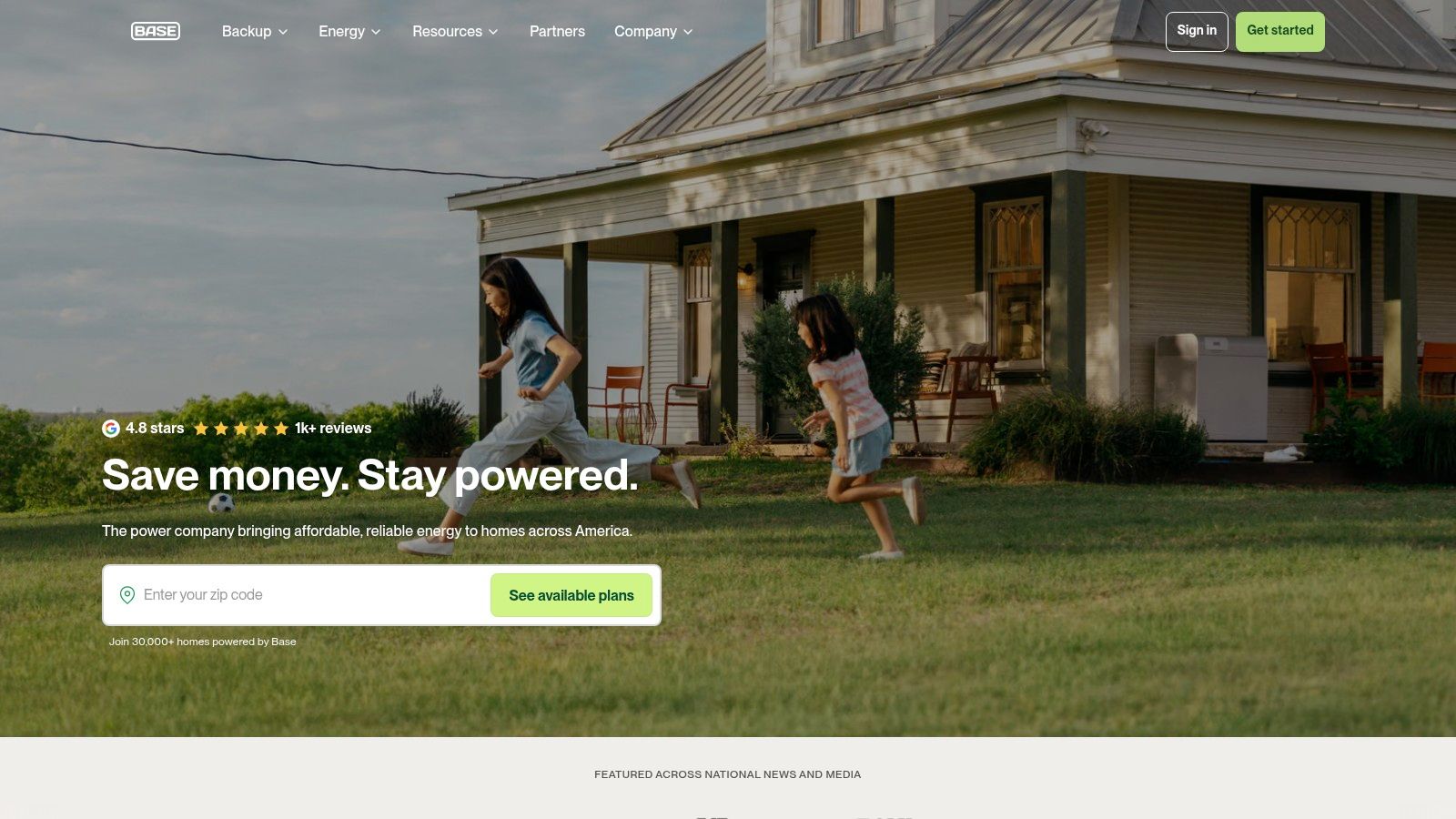
Base Power designs, builds, and installs home battery systems, then runs the software that turns thousands of those batteries into something the grid can lean on. That combination makes it one of the few Austin companies where a firmware engineer, a supply chain lead, and an installer all work on the same product.
The careers page spans engineering, operations, growth, design, and field work. Field roles come with training, benefits, and company equity, which isn't universal in installation work.
The company describes its team as Austin-based and in-person, and it describes its culture as intense and high-output. Believe both. Hardware timelines don't compress because a sprint went well, and the people who last here tend to like that constraint rather than tolerate it.
Ask this before applying: Which side of the business owns the role, hardware, grid services, or field operations? The three carry different on-call rotations, different travel, and different ladders.
Capital structure is worth understanding too. The city's economic development programs include Kiva-facilitated microloans, loan matching, and interest buydowns, which tells you Austin still expects founders to finance physical inventory without leaning only on equity. Companies that carry debt hire on a different rhythm than companies that just closed a round.
If energy is the lane you want, browse clean energy companies before narrowing to one employer.
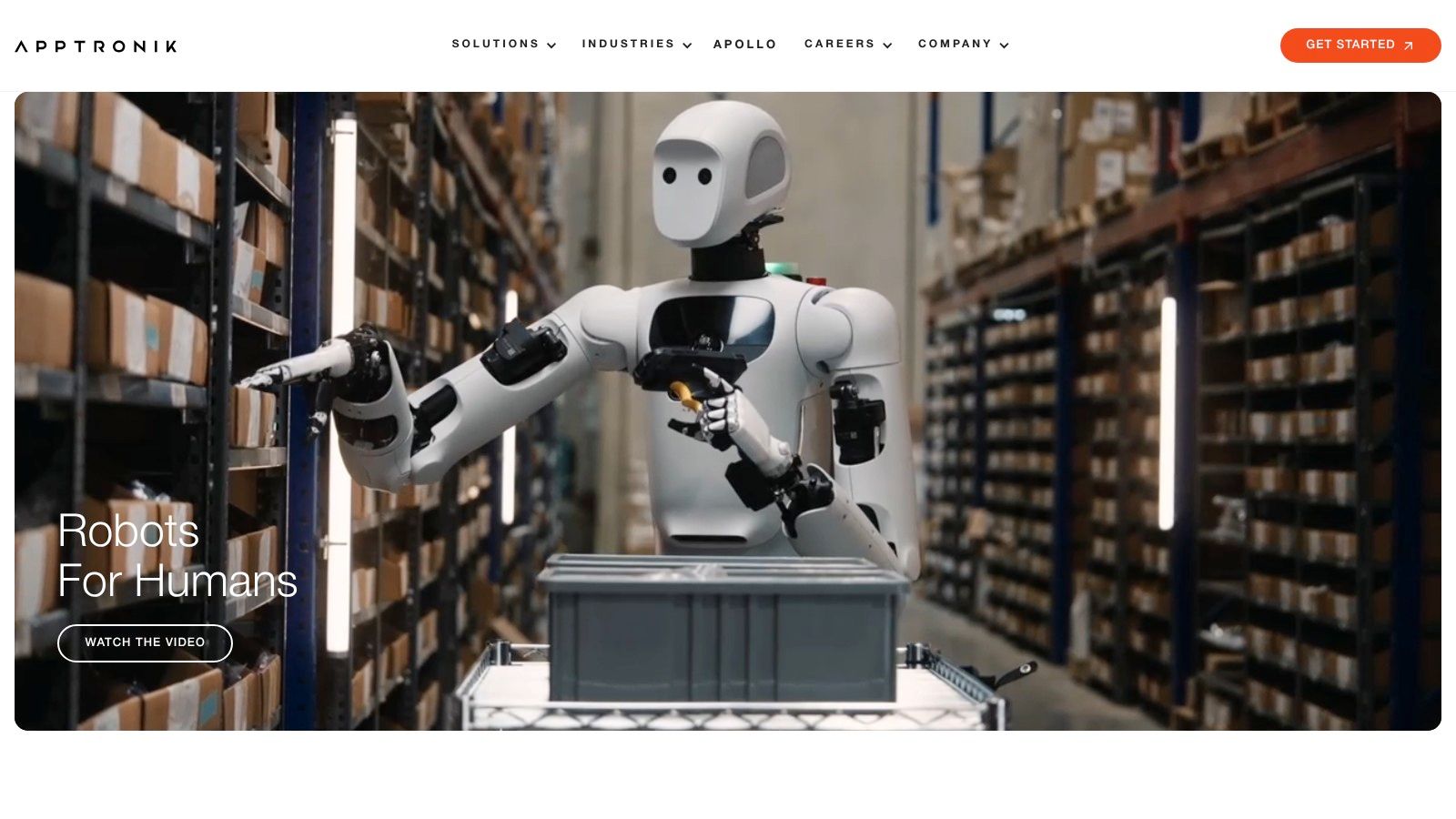
Apollo is a humanoid robot built to work alongside people on manufacturing and logistics floors. Apptronik grew out of the University of Texas at Austin's Human Centered Robotics Lab, and the gap between a lab demo and a robot that runs a full shift without a technician babysitting it is where most of the jobs live.
Careers information lists health coverage, flexible time off, parental leave, and a 401(k). Ask about test and travel expectations in the same conversation, because commercial deployment means robots leaving the building.
Robotics hiring here is no longer theoretical. Opportunity Austin's 2024 annual report recorded 2,500-plus startup jobs created that year, and the sector mix behind that figure runs through robotics and transportation rather than consumer apps alone.
The question to ask is how much of the job is research and how much is production support. A humanoid program needs both, and the ratio decides whether your week looks like a paper or a factory floor.
If controls or autonomy is the target, read what a robotics engineer is expected to own before you apply.
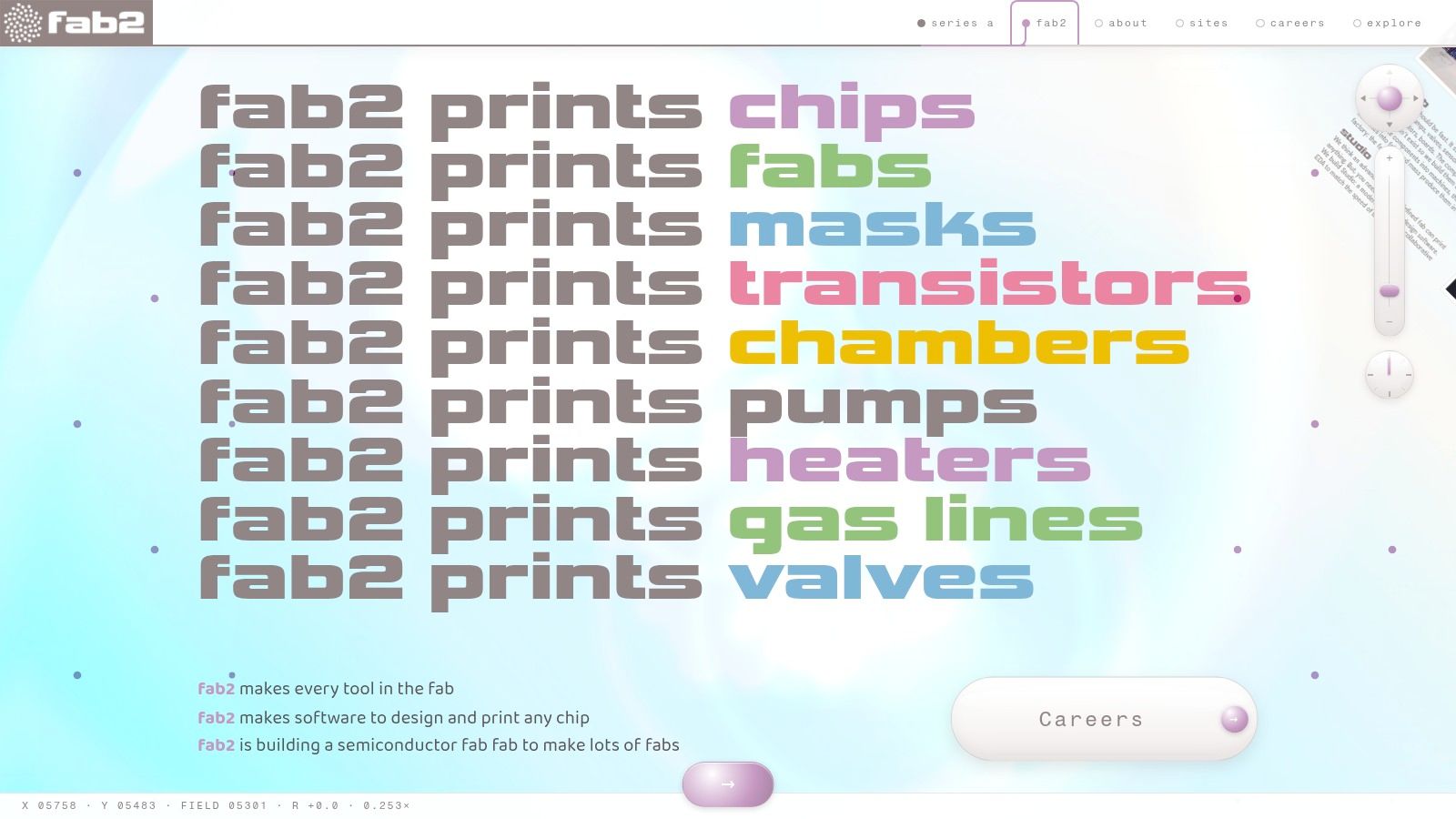
Most semiconductor startups design chips and hand the manufacturing problem to someone else. Fab2 went after the manufacturing side instead, building fabrication equipment, the software that runs it, and what it calls a "fab fab," a factory for producing compact, software-defined fabs. Locations include Austin and nearby Lockhart.
The roles are specialized and location-bound, and several need experience that general software hiring never produces. The payoff is ownership that's hard to find elsewhere. At a company this size, a process engineer can shape tool design instead of inheriting it.
Austin has the labor base to make that plausible. The metro held 195,879 high-tech jobs in 2022, equal to 16.3% of all regional employment against a 9.0% national share, per CodeSolTech's Austin tech industry statistics. Semiconductor and hardware depth sits inside that base.
Ask whether the role is tied to a specific tool program or to the fab build itself. One survives a strategy pivot. The other might not.
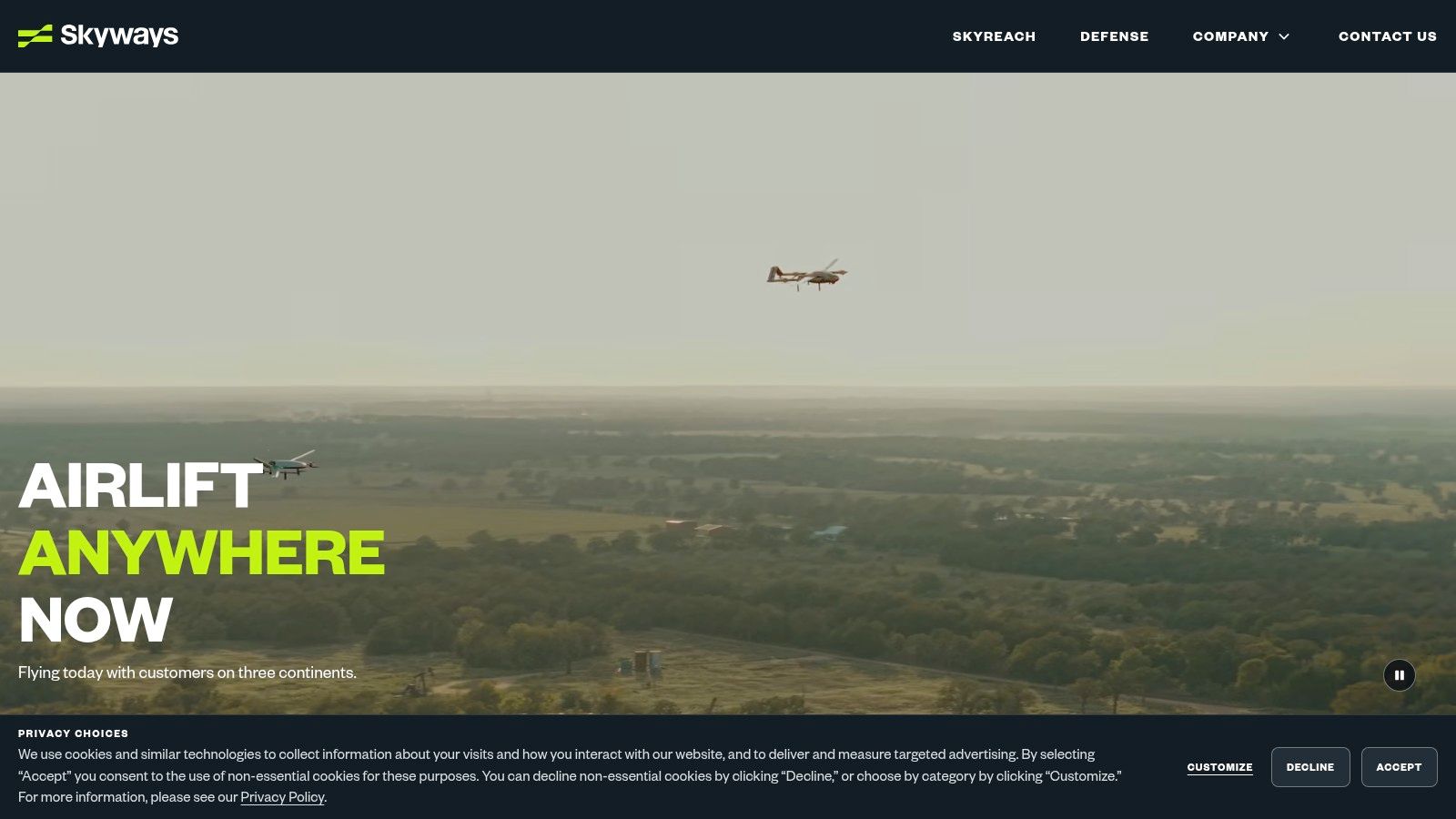
Skyways designs autonomous aircraft, then flies them for logistics and defense-related missions. Austin is the company's Texas headquarters, and hiring spreads across software and autonomy, hardware, flight operations, manufacturing, and systems engineering.
Some roles include stock options, benefits, and relocation assistance. Many are on-site, and test work happens where the aircraft is, not where the desk is. Export-control and government-contract eligibility limits apply to certain positions, so read the posting twice.
Public incentives belong in the picture for companies at this stage. Austin's Business Expansion Program and the state's Texas Enterprise Fund both operate on documented job creation and capital investment, with the state fund acting as a deal-closing grant when an out-of-state site competes for the same project, per the City of Austin business incentives page.
Ask whether the hiring plan depends on an incentive award or a contract award landing. Headcount contingent on a decision outside the building is a different risk than headcount funded by closed revenue.
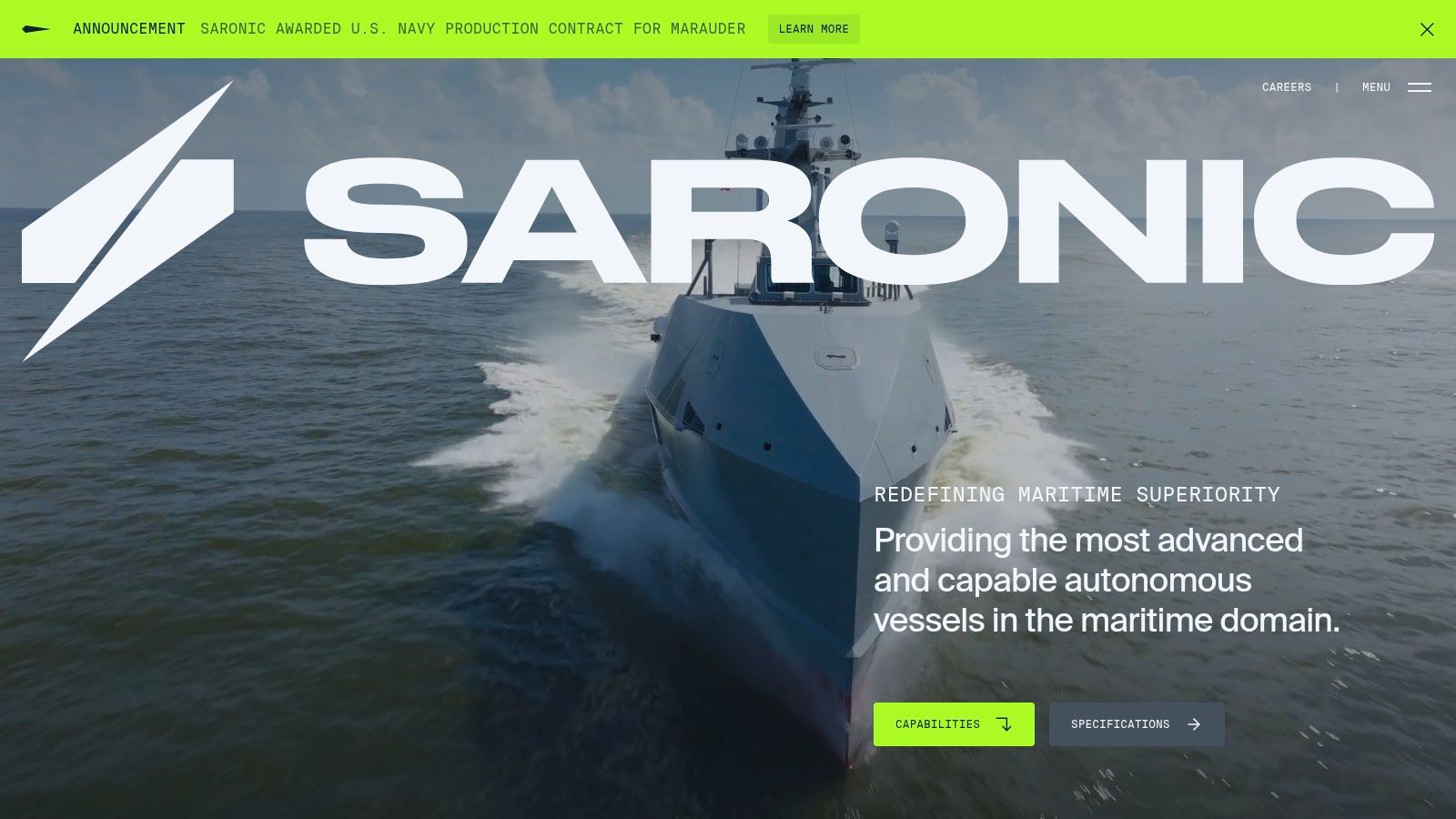
Saronic builds autonomous surface vessels for maritime missions, and it keeps the whole stack under one roof: software, autonomy, mechanical and electrical engineering, manufacturing, and test. The Austin headquarters pulls those functions into the same building, which is unusual for a company whose product ends up on water.
Equity and benefits are part of the employment offer. Many roles are on-site and specialized, and sea trials mean travel on someone else's calendar. Defense work is a mission choice rather than a neutral one, and it's fair to decide where you stand before the first interview.
AI concentration in local funding is real. Roughly two-thirds of venture investment in Austin is flowing into AI-related companies, according to Startup Project's Austin ecosystem profile, which leaves defense, climate, and industrial companies competing for attention and for engineers.
Ask how much of the role is field time. Maritime autonomy looks like software until the boat needs a crew at 4 a.m.
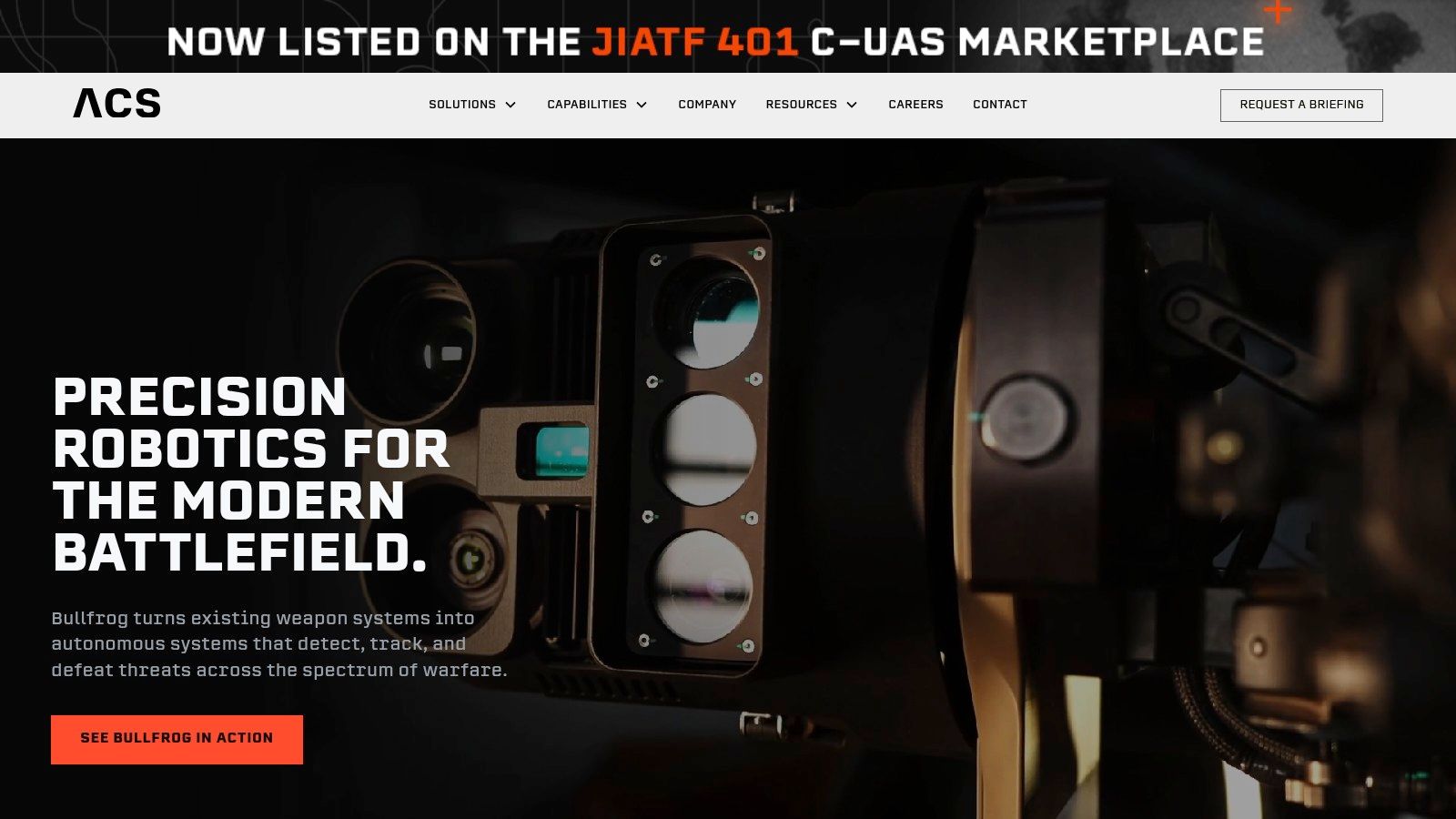
Allen Control Systems builds autonomous counter-drone systems, which means software that detects, tracks, and responds to unmanned aircraft, paired with sensors and hardware that have to work outdoors in bad weather. Openings sit in Austin and nearby Pflugerville.
Internship and experienced-hire tracks both exist. Many positions are on-site and call for domain skills that take months to learn, and some carry eligibility requirements tied to the work itself.
Funding discipline is worth understanding before you accept a defense offer. Austin startups raised about $804.5 million across 71 deals in the fourth quarter of 2024, down nearly 29% from the same quarter a year earlier, according to Silicon Hills News' Q4 2024 funding report. Contract-driven companies run on a different clock than venture-funded ones.
Ask what share of the pipeline is contracted work versus expected work. In defense, a signed program of record changes your stability more than any funding round.
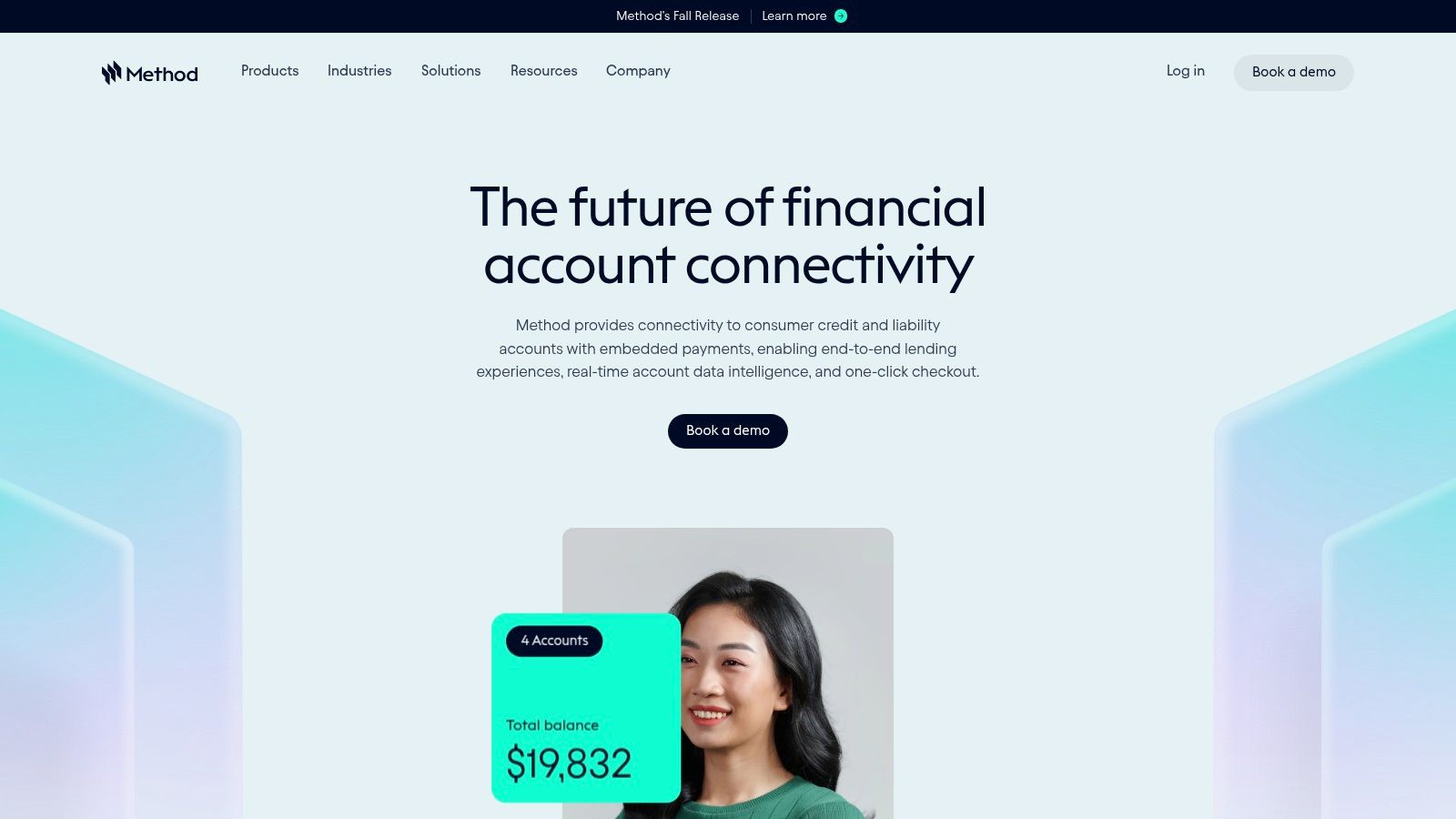
Method Financial builds financial-account connectivity products, the plumbing that lets an application pull consumer account and liability data with the user's permission. It also works on refinancing experiences and consumer finance. Teams sit in Austin, New York City, and Washington, D.C. This makes it the fintech stop on an Austin list otherwise shaped by hardware, defense, energy, and infrastructure.
The environment is described as small-team, interdisciplinary, and hands-on. That is the good version and the honest version at once. You will touch more surface area than a title suggests, and you will own the consequences too. Product and data work here depends on careful models of liabilities and refinancing paths. Backend work depends on integrations that behave cleanly when financial institutions send messy or inconsistent data.
Not every open role is necessarily Austin-based, so confirm location before you invest time. The market data backs that caution. Austin startups saw total dollars rise while the number of rounds fell, according to Crunchbase News. That split matters. Capital is concentrating, while candidates still need to check whether the specific team, product, and role are funded for the long run.
Ask when the last round closed and how much runway it bought. That answer says more about hiring stability than any funding total.
If you want fintech work without a Texas zip code, remote fintech jobs are a reasonable starting point.
Hardware, defense, energy, and infrastructure define this comparison. Match the product and role track first, then check where the work happens.
| Company | Sector | Core Product | Austin Work Setup | Role Tracks Hiring |
|---|---|---|---|---|
| Base Power | Energy | Home batteries and grid services | Austin, in-person; many roles require Texas residence or on-site work | Engineering, operations, growth, design, field work |
| Apptronik | Robotics and AI | Apollo humanoid robots | Austin; check each position's arrangement | Software, AI, hardware, manufacturing, testing |
| Fab2 | Semiconductors | Tools, software, fabrication facilities | Austin and nearby Lockhart | Engineering, software, process development, manufacturing |
| Skyways | Aerospace | Autonomous aircraft and flight operations | Austin headquarters; many roles on-site | Software, autonomy, hardware, flight operations, manufacturing, systems engineering |
| Saronic | Defense | Autonomous maritime vessels and supporting systems | Austin teams; many roles on-site | Engineering, autonomy, manufacturing, testing |
| Allen Control Systems | Defense robotics | Autonomous counter-drone systems | Austin and nearby Pflugerville; many roles on-site | Computer vision, machine learning, electrical and systems engineering, mission operations, manufacturing |
| Method Financial | Fintech | Financial-account connectivity and consumer finance | Austin, New York City, Washington, D.C.; confirm role location | Software, APIs, data, financial services, product development |
Use these questions to distinguish roles that share a title but involve different work:
Base Power: Does this role support batteries, grid services, or field operations?
Apptronik: How closely does software work connect with hardware testing?
Fab2: Is the role focused on tools, software, or fabrication?
Skyways: How much work involves flight operations?
Saronic: Does ownership extend into manufacturing and testing?
Allen Control Systems: How closely does engineering work with mission operations?
Method Financial: Is the focus connectivity or consumer finance?
Pick two or three companies whose role tracks match work you've done, then rewrite your resume around what each one ships. If you've built dispatch logic for stored energy, write that instead of "backend engineer." If you've run acceptance testing on a hardware program, name the fixture and the failure you caught. Austin hiring managers read hundreds of generic resumes and very few specific ones.
Then verify the two things that disqualify people here. On-site expectations come first. Several of these companies describe Austin-based, in-person teams, and a candidate who assumes hybrid burns a week for everyone. Eligibility comes second. Defense work and export-controlled programs carry requirements that no amount of technical fit overrides.
The cost story needs a reality check as well. Austin office costs run roughly 30 to 40% below the Bay Area, per the Austin Technology Council's state of Austin tech, and founders still report stiffer competition for top talent and rising costs despite steady early-stage funding. Cheap space for the company doesn't automatically become a generous offer for you, so price the whole package.
For scale, Startup Genome values the local ecosystem at an estimated $107 billion across the second half of 2023 through 2025, per its Austin ecosystem profile. That's a market with genuine depth and genuine competition for the same roles.
Where the advantage sits matters. Specialized engineering and technical operations roles are hard to fill through inbound applications, so teams often bring in a staffing partner such as nexusITgroup to source them. Candidates who want curated, startup-only introductions can use a marketplace like Underdog.io rather than working an application pile.
Before the first call, confirm three things. The work arrangement in writing, including days on-site and expected travel. Equity alongside base, with strike price, vesting schedule, and where you sit in the preference stack. And which team owns the product you'd touch, because a role reporting into a shared services group has a lower ceiling than one embedded in the product line.
Underdog.io is a curated hiring marketplace where engineers, product managers, designers, and data people build one profile and let vetted startups come to them, with Austin among the cities we hire for. If this list left you with three companies you'd want to talk to, a single profile puts you in front of teams at the seed through Series C stage without another cover letter. Visit Underdog.io to see how the matching works and what founders bring to you each week.