Is Dallas still your fallback city for startup jobs, or are you treating it like a market where you can build a strong career?
A lot of candidates underrate Dallas because it does not market itself like San Francisco or New York. That creates an opening for job seekers who care more about company quality than startup theater. The city has real startup momentum, especially in enterprise software, healthcare tech, AI, logistics, and infrastructure-heavy products.
For job seekers, that momentum usually shows up in practical ways. Teams add headcount. Engineering groups split into more specialized roles. Product roadmaps get longer, not shorter. Companies can afford to hire for scale, security, and platform work instead of staffing only the most urgent gaps.
Dallas also gives startups a hiring base that is deeper than many candidates expect. The market can support companies that need experienced operators, not just early-career generalists. That changes how to approach your search. Instead of applying broadly, target startups where the product category fits your background and where the hiring plan matches the stage of company you want.
That is also why positioning matters. Specialized markets reward candidates who can explain their value clearly, whether they are selling themselves into AI infrastructure, healthcare operations, or even adjacent niches discussed in this guide to blockchain talent. The same rule applies in Dallas. Clear candidates get interviews.
This list is built for that purpose. Each company is worth evaluating through a job seeker's lens: growth signals, culture, technical environment, and the kind of problems you would get paid to solve. If you want a better read on how strong teams evaluate engineers, this breakdown of how startups hire software engineers gives useful context before you start applying.
Here are seven Dallas startups worth watching if you want real product work, credible upside, and a company where the next two years could change your career trajectory.
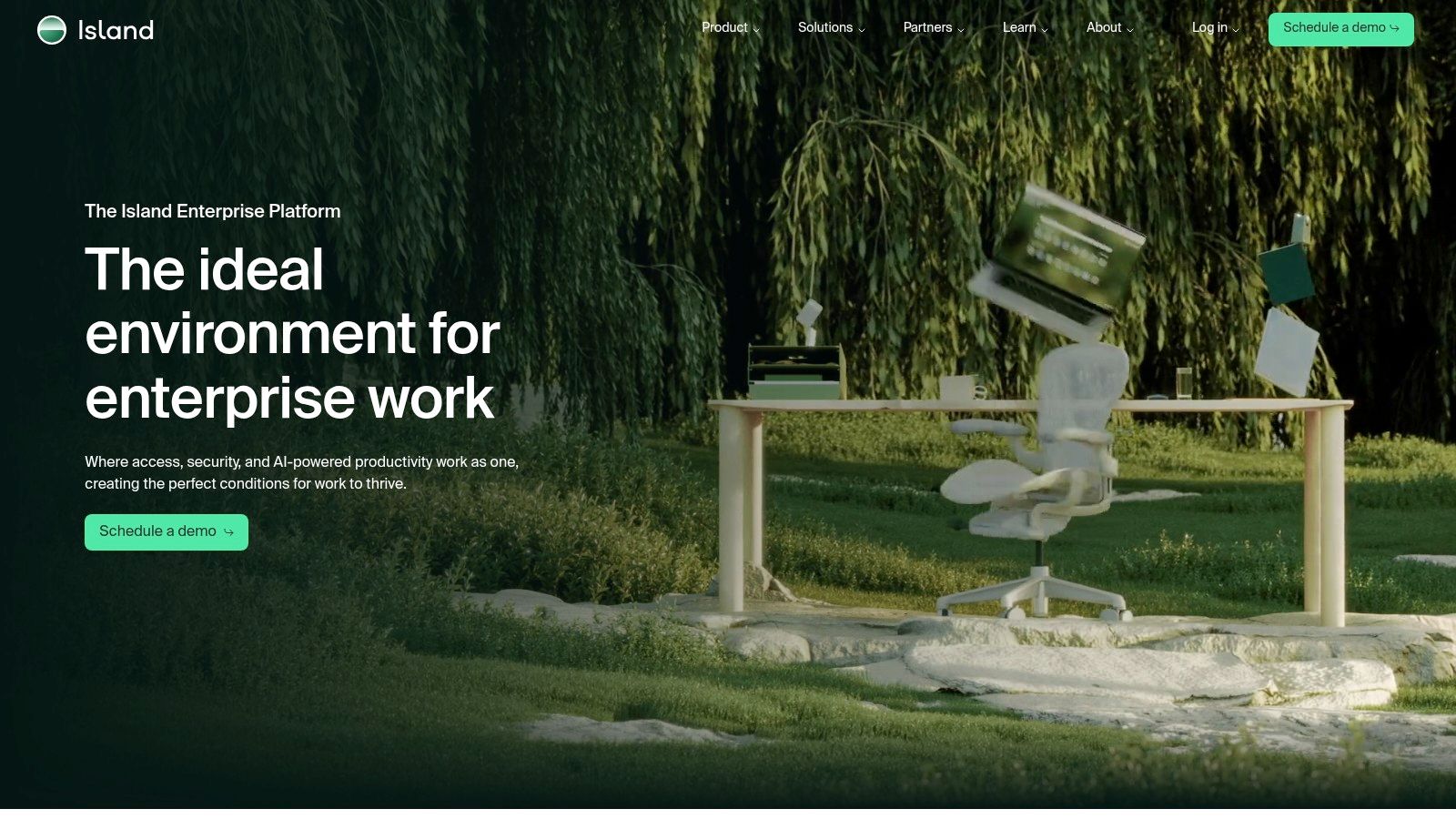
Island is one of the more interesting startups in Dallas because it sits at the intersection of browser infrastructure, security, and enterprise productivity. That combination usually attracts strong engineers who like hard platform problems more than consumer polish.
The core product is the Enterprise Browser. In plain terms, Island takes the browser, which is where a lot of work already happens, and turns it into a controlled enterprise surface for access, data protection, governance, and AI-assisted work. You can explore the platform directly on Island’s website.
If you’re a backend engineer, security engineer, platform engineer, product manager, or solutions architect, this is the kind of company where the product itself provides an advantage in hiring. Browser-based enterprise control isn’t a side feature. It’s the entire bet.
That usually means a few things inside the company:
The upside is clear product-market alignment. The trade-off is equally clear. Companies selling into large enterprises tend to run sales-led motions, longer implementation cycles, and cross-functional approval chains. If you want fast consumer-style shipping with minimal stakeholder complexity, Island may feel heavy.
Practical rule: Ask how product, security, and go-to-market teams resolve roadmap conflicts. In enterprise startups, that tells you more about culture than any values page.
Look for signals that Island knows exactly where it wins. Ask which buyer owns the deal. Ask whether engineering works directly with customer-facing teams. Ask how much of the roadmap comes from strategic accounts versus core platform vision.
If you’re earlier in your startup search, Underdog’s guide on how to hire software engineers is also useful in reverse. It shows how serious startups evaluate engineering talent, which helps you prepare for more rigorous conversations.
Best fit: candidates who like secure enterprise software, platform layers, and products that become embedded in how companies operate.
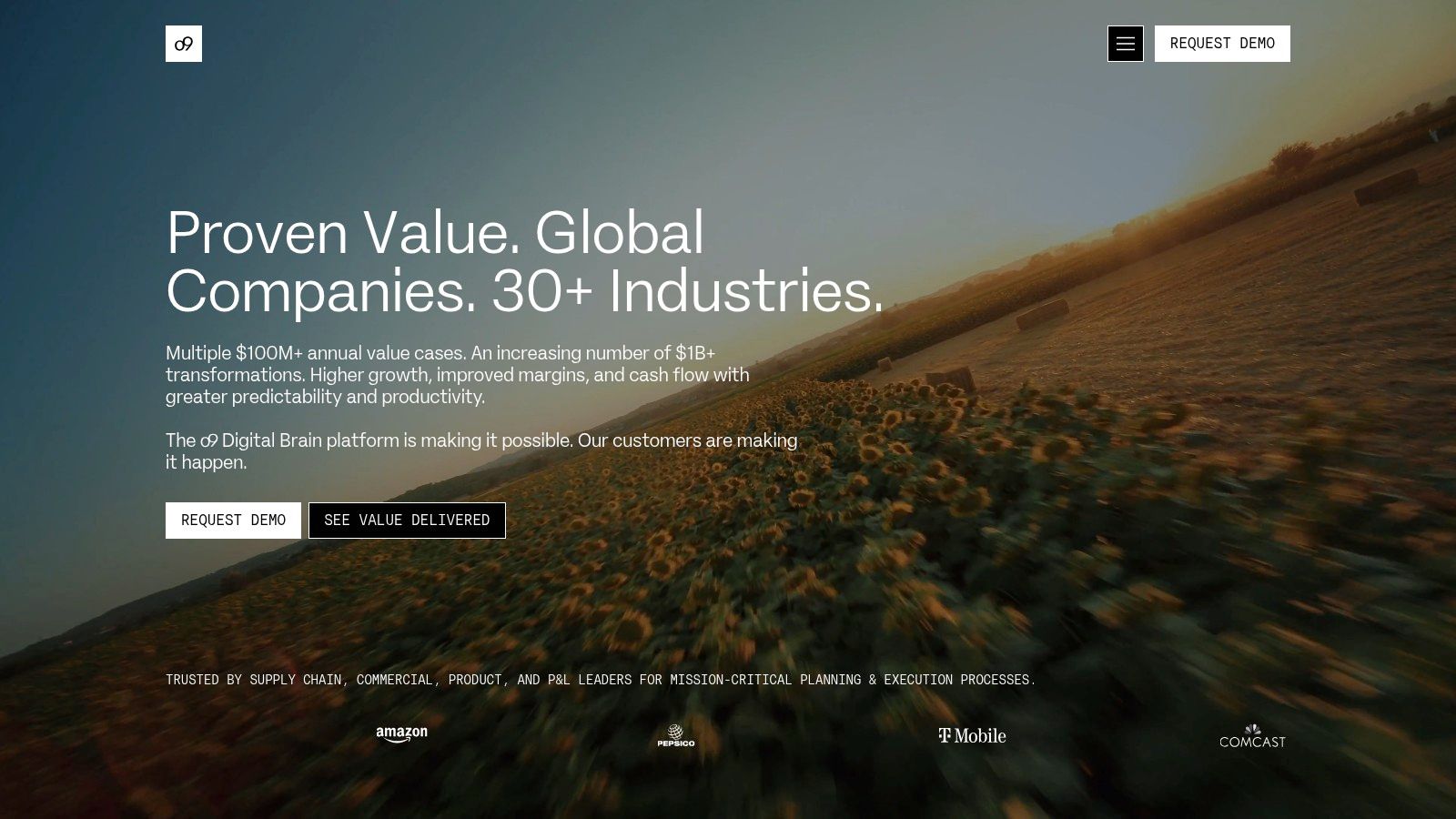
Some startups in Dallas are interesting because they’re trendy. o9 Solutions is interesting because the problem set is hard and expensive. The company’s planning platform, often described as a digital brain for enterprise planning, tackles demand planning, supply planning, forecasting, integrated business planning, and revenue optimization. The product is at o9 Solutions.
This is not a lightweight SaaS workflow layer. It’s enterprise decision software.
o9 makes the most sense for candidates who want to work on data-rich systems with operational consequences. If a forecast is wrong, it doesn’t just dent a dashboard. It can affect inventory, service levels, procurement, and revenue planning.
That creates solid opportunities for people in roles like:
The best part of a company like this is depth. Teams usually deal with difficult customer environments, real business dependencies, and products that become sticky once implemented.
The downside is complexity. Enterprise planning software can be hard to learn from the outside and hard to explain cleanly in an interview unless you’ve worked in adjacent systems before. Implementation-heavy startups also sometimes split prestige unevenly between product builders and customer delivery teams. That’s worth probing.
A strong candidate won’t just ask what stack they use. Ask how much of the role is greenfield versus customer-specific adaptation. Ask whether PMs and engineers influence the core platform or spend most of their time supporting deployments. That distinction matters.
Good planning software companies hire people who can handle ambiguity in data and rigidity in enterprise expectations at the same time.
If you’re trying to understand whether this style of company fits your goals, this guide to tech startup careers is a useful reality check. The best startup role for you isn’t always the flashiest one. Sometimes it’s the one where the product solves a mission-critical workflow and customers can’t easily rip it out.
Best fit: engineers, data specialists, and product people who want enterprise-scale systems with clear business stakes.
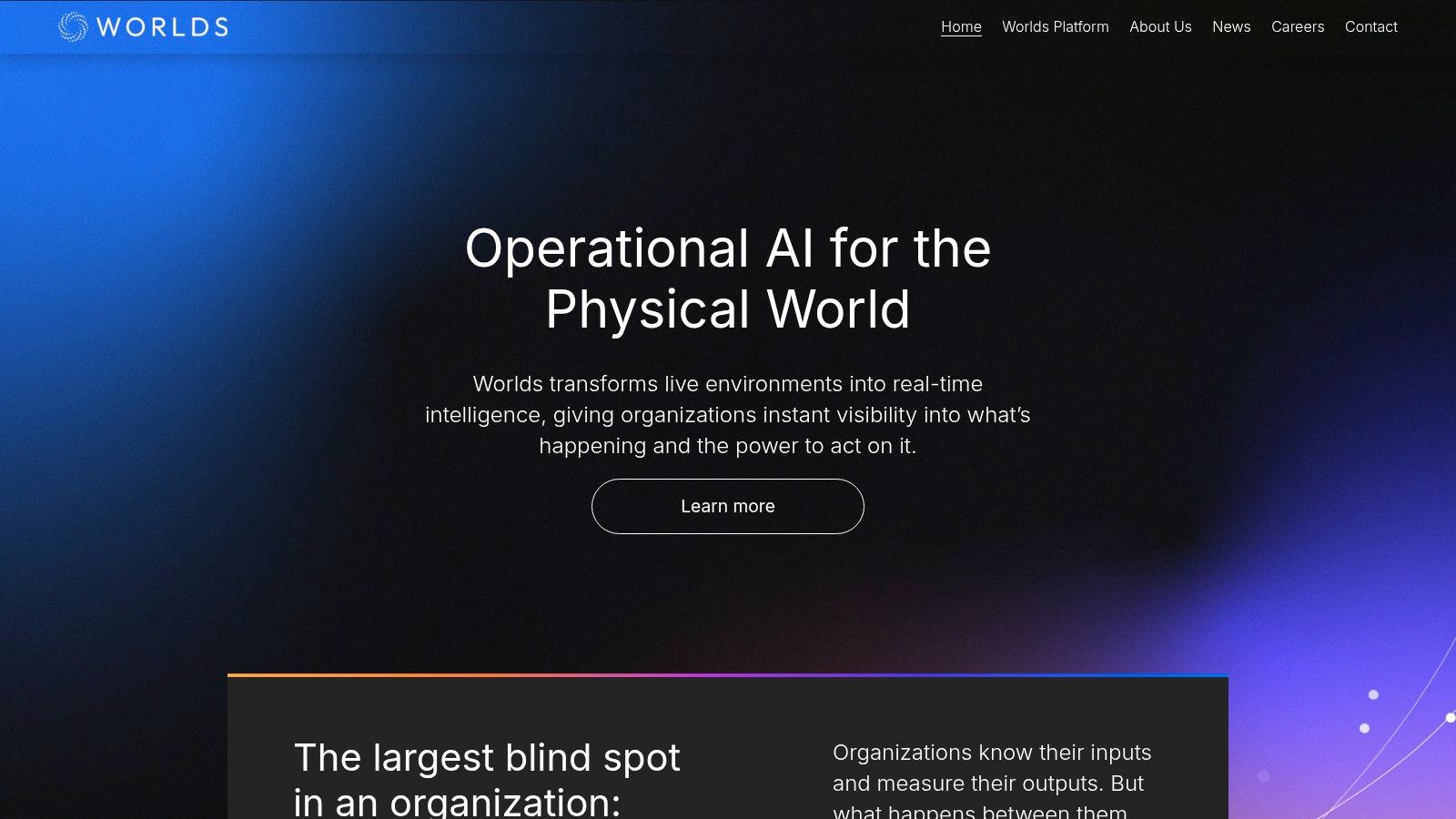
Worlds is one of the startups in Dallas I’d point technical candidates toward when they say they want AI work tied to real operations, not just chat interfaces. The company focuses on operational AI for the physical world, using video and sensor data to create real-time spatial intelligence for industrial environments. You can review the product approach on Worlds.
That matters because industrial AI has a different rhythm than typical SaaS AI. The work involves environments with cameras, workflows, safety concerns, facilities constraints, and operators who don't care about fancy models unless the output helps them act faster.
Worlds supports workflows that let teams search, monitor, analyze, and act in one platform. From a hiring standpoint, that creates interesting overlap between computer vision, infrastructure, product design, and workflow automation.
Candidates should pay attention to whether the company can bridge two hard things at once:
Plenty of startups can demo AI on top of camera footage. Fewer can get facilities leaders, operations teams, and enterprise buyers to trust the output enough to use it in production.
That’s where the opportunity is. It’s also where friction shows up. Companies like this often need buy-in across operations, IT, security, and facilities. Product cycles can be slower than candidates expect, even when the technical challenge is exciting.
Ask who the internal champion usually is at a customer. If the answer spans multiple departments, expect a high-context sales and implementation environment. That’s not bad. It just means success depends on coordination, not only engineering quality.
Also ask whether the company uses existing cameras and sensors or depends on major new deployments. Existing infrastructure usually lowers adoption friction and improves the odds that the product gets used broadly.
If you want AI work with real-world constraints, look for teams where the software has to survive contact with operations, not just impress other engineers.
Best fit: computer vision engineers, ML infrastructure candidates, product managers who like industrial systems, and customer-facing technical hires who can handle operational complexity.
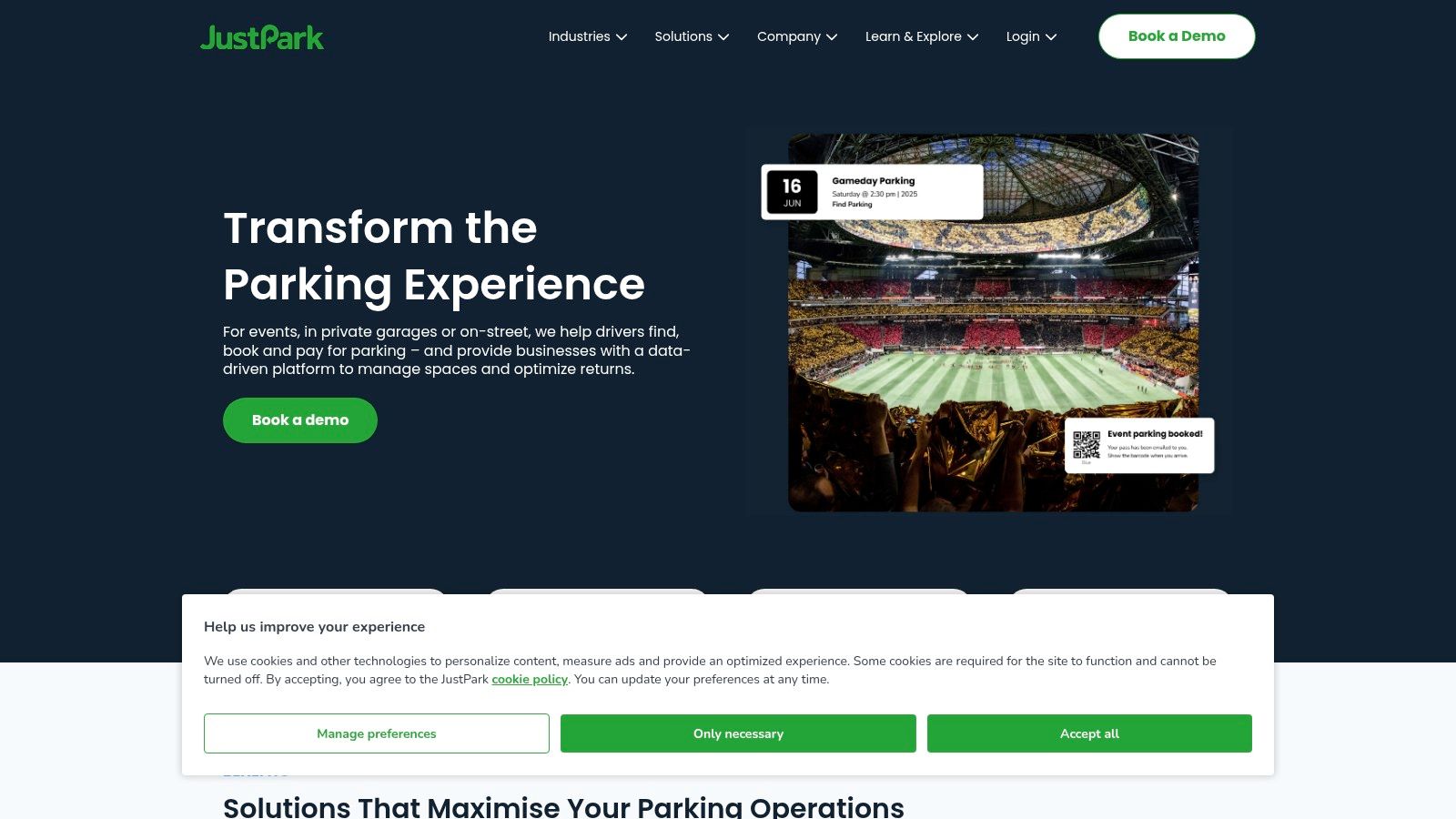
Parking tech doesn’t sound glamorous until you understand the operational mess it solves. ParkHub, headquartered in Dallas, builds software around parking payments, mobile point-of-sale, access control, analytics, and integrations for venues, universities, municipalities, and commercial operators. The platform is at ParkHub.
This is a good reminder that some of the best startups in Dallas sit in practical, revenue-linked infrastructure categories. They’re not selling aspiration. They’re selling throughput, visibility, and operational control.
ParkHub is especially attractive if you like companies with a clear vertical and obvious customer pain. Event parking, venue operations, and mixed commercial environments create lots of edge cases. That usually leads to product work that touches hardware, payments, mobile workflows, reconciliation, and dashboards.
For job seekers, the draw is domain depth. You can build expertise that’s commercially useful fast. The risk is that vertical specialization can narrow your story if you stay too long without broadening your scope.
Here’s how I’d break down the trade-off:
ParkHub’s position in sports and entertainment-adjacent infrastructure suggests a company that has learned to deal with event pressure, downtime sensitivity, and operator expectations. That can be great training for PMs, implementation leads, and engineers who want visible outcomes.
The bigger question is whether the company still behaves like a builder or has drifted into pure enterprise servicing. During interviews, ask for examples of recent product improvements that reduced operational complexity across accounts, not just for one major customer.
Best fit: candidates interested in fintech-adjacent infrastructure, operations software, mobility, payments, and venue tech.

Healthcare staffing is one of those categories where demand is obvious, but execution is brutal. ShiftKey, based in Irving, runs a marketplace and scheduling platform that connects licensed healthcare professionals with facilities looking to fill flexible shifts. It also offers SAMI for scheduling and workforce planning. The company’s platform is at ShiftKey.
If you’re screening startups in Dallas for category resilience, healthcare workforce software deserves attention. Facilities have staffing problems whether the market is hot or cold.
Marketplace companies are never simple. ShiftKey has to balance facility demand, clinician supply, scheduling quality, and trust across both sides. That creates useful experience for product managers, operations hires, marketplace analysts, growth teams, and engineers working on matching, scheduling, reliability, and policy logic.
A few practical realities matter here:
That’s the upside and the headache. If you like marketplaces because they feel dynamic, ShiftKey can be compelling. If you hate operational exceptions and stakeholder-heavy product decisions, it may wear you down.
Ask how the company measures marketplace health internally. You don’t need the numbers. You need the categories. Do they optimize mostly for fill rates, reliability, clinician experience, facility retention, or margin discipline? The answer tells you what kinds of trade-offs teams live with every day.
Also ask whether product and engineering spend more time on new facility tools or on making the clinician experience tighter. Mature marketplace companies often reveal their strategic priorities through that split.
Marketplace roles are best for candidates who can stay calm when no single team controls the whole outcome.
Best fit: product managers, data analysts, backend engineers, operations leaders, and customer success candidates who like messy systems with clear business value.
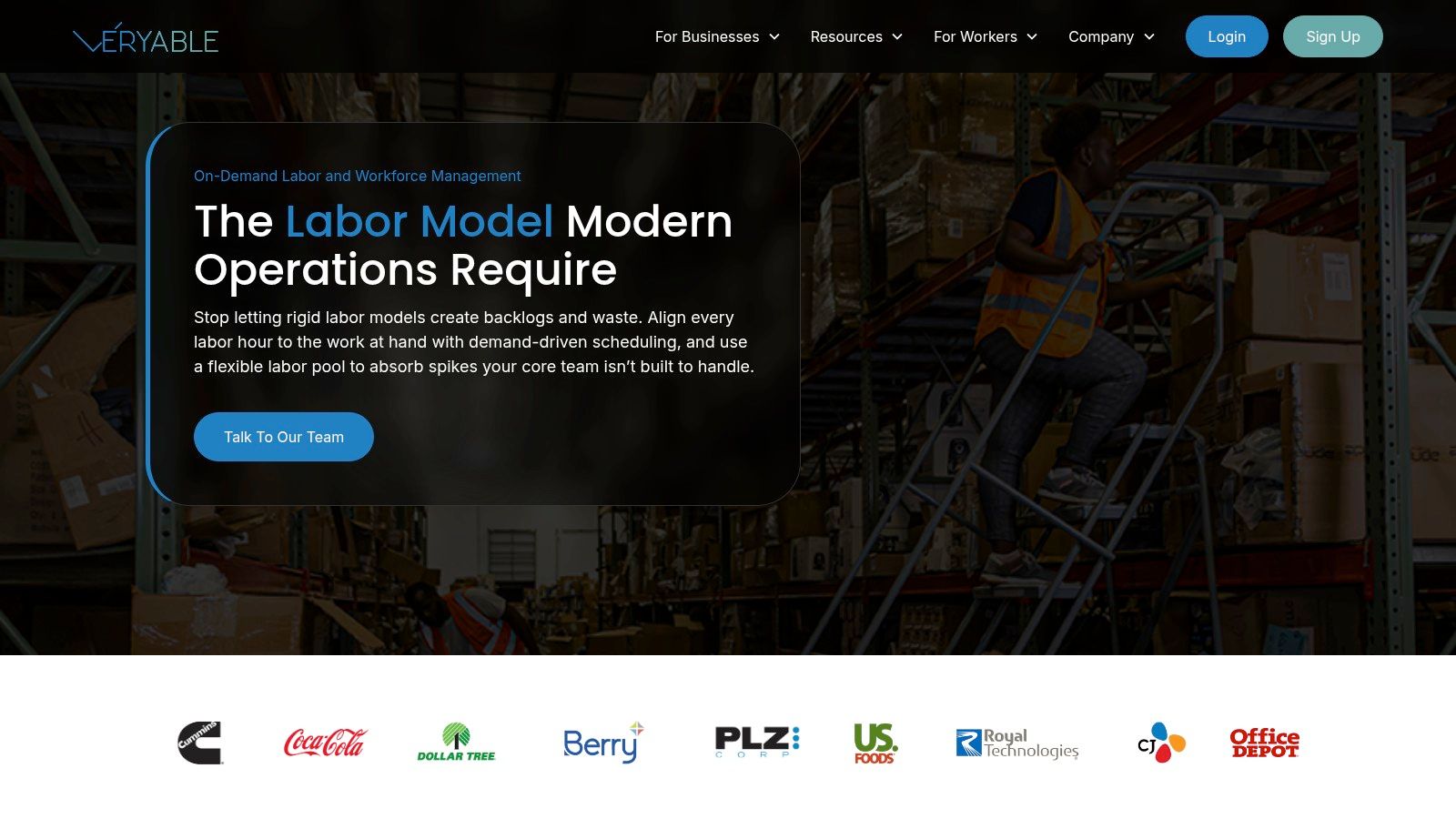
Veryable takes a different angle on workforce tech. Instead of focusing on healthcare, it focuses on manufacturing, logistics, and warehousing through an on-demand labor marketplace where businesses post short-term operational shifts, called Ops. You can see the product at Veryable.
This is a practical Dallas story. The company sits in an area where regional strengths in logistics, industrial operations, and workforce flexibility line up with real business demand.
I like companies like Veryable for candidates who want exposure to labor, supply chain, and operational software without going into old-school enterprise software that moves at a glacial pace. The company has a direct value proposition. A facility needs labor quickly. Operators want flexible work. The platform tries to connect those needs with speed.
That leads to a different product reality than polished knowledge-work SaaS:
That final point is important for job seekers. A marketplace may look strong at the company level while still having inconsistent experiences in specific geographies. If you interview with Veryable, ask how the team handles uneven market maturity and what levers they use when supply and demand get out of balance.
Veryable can be a strong fit for people who like operationally intense businesses where software decisions connect directly to labor economics. It may be a weak fit if you only want polished product work detached from field realities.
As a recruiter, I’d tell candidates to listen carefully for how leadership talks about operators. If the company treats them as interchangeable inventory, that shows up eventually in product quality and brand trust. If leadership talks about liquidity, reliability, and worker experience together, that’s a healthier sign.
Best fit: operations-heavy PMs, growth and marketplace analysts, logistics-minded engineers, and customer operations leaders.
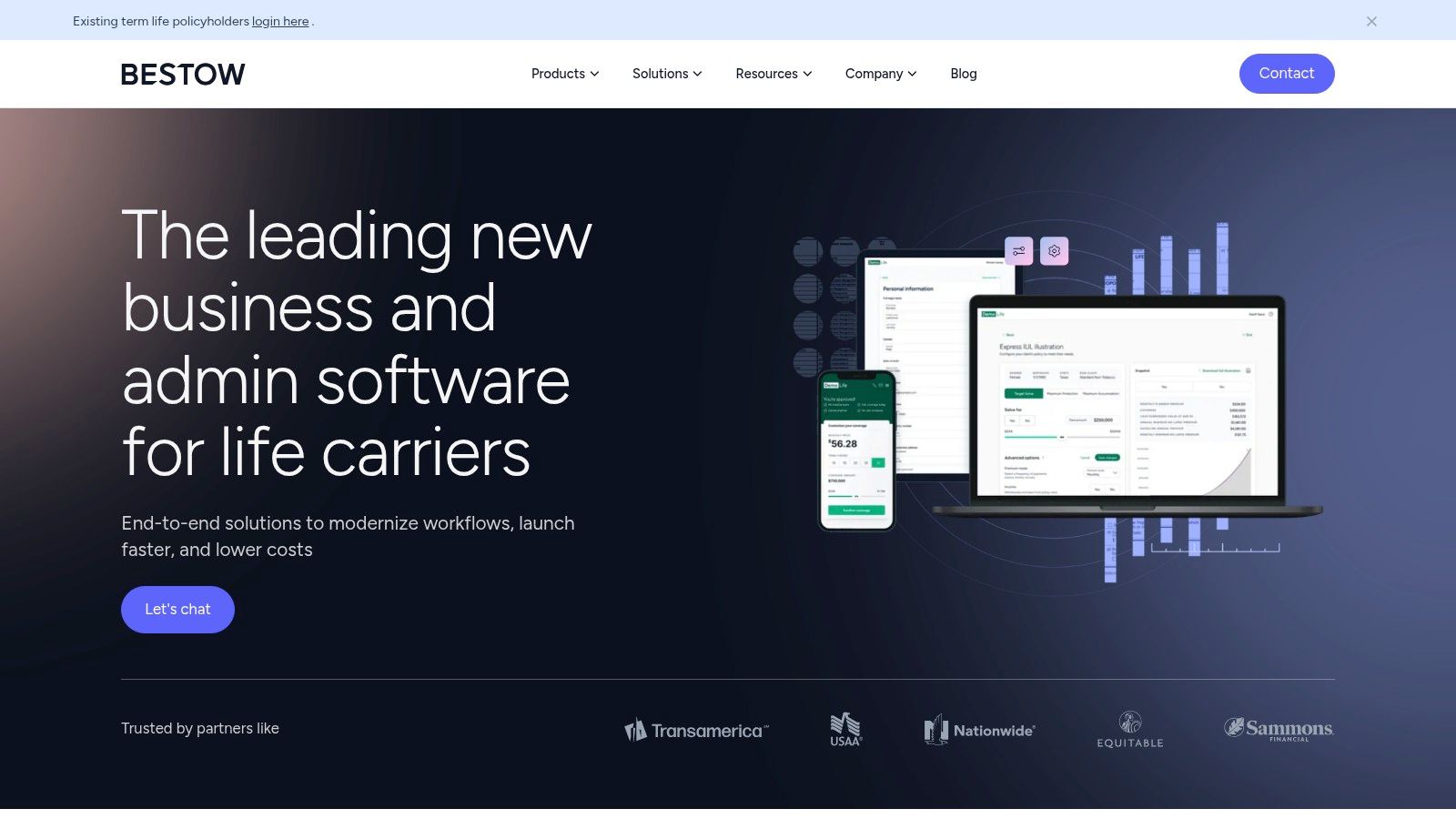
Bestow is one of the startups in Dallas that tends to attract candidates who like fintech but want something more structurally defensible than another generic payments layer. The company now focuses on providing life insurance technology infrastructure to carriers, including quoting, application flows, underwriting, administration, billing, portals, and TPA services. Its platform is at Bestow.
That’s a serious enterprise software play. It’s less about brand-forward consumer disruption and more about rebuilding insurance operations with better systems.
Insurance software can be a strong career bet because the domain is complex, regulated, and sticky. If a startup can become part of a carrier’s core operating stack, it becomes difficult to displace. For candidates, that often means the work is less flashy but more durable.
Bestow’s shift toward a software and platform model is meaningful from a job seeker’s perspective. It suggests a tighter B2B focus, deeper integration needs, and more emphasis on carrier workflows than direct-to-consumer growth tactics.
A few job-market implications follow:
Ask where the hardest implementation work sits today. Is the challenge data migration, underwriting configuration, policy administration integration, or change management inside carrier organizations? The answer helps you understand whether the company is still proving the platform or scaling repeatable deployments.
This is also the kind of company where startup-curated channels can help more than broad job boards. Candidates who want software roles in companies with enterprise complexity should review startup job search advice from Underdog, because generic resume spraying usually performs badly in these environments.
If your background overlaps with legal operations, compliance, or insurance-adjacent work, specialized support functions can matter too. That’s where niche hiring paths like Hire Paralegals can become relevant around the broader ecosystem.
Best fit: candidates interested in insurtech, regulated software, underwriting systems, enterprise implementations, and durable B2B platforms.
| Solution | Implementation complexity | Resource requirements | Expected outcomes | Ideal use cases | Key advantages |
|---|---|---|---|---|---|
| Island | Moderate–High: enterprise browser + security integrations | Security & platform teams, SASE/network, enterprise procurement | Unified secure browser, DLP and governance, measurable ROI in large orgs | Large enterprises needing secure access and browser control | Enterprise-grade security, integrated AI & network add-ons, documented case studies |
| o9 Solutions | High: large-scale planning and IBP deployments | Data engineering, ML/optimization expertise, cross-functional planners | Improved forecasting, integrated demand/supply planning, revenue optimization | Global manufacturers, retailers, supply-chain heavy enterprises | Analyst-recognized platform, broad industry adoption, strong enterprise references |
| Worlds | High: CV, sensor feeds and facility integrations | Existing cameras/sensors, operations and facilities integration, engineering support | Real-time spatial intelligence, fewer inspections, safety and efficiency gains | Manufacturing, industrial operations, facilities monitoring | Operational AI focused on physical world, measurable operational/safety outcomes |
| ParkHub | Medium: hardware + software + ticketing integrations | POS hardware, integrations with ticketing/reservation systems, operator onboarding | Mobile payments, access control, BI for parking operators | Stadiums, venues, universities, municipalities | Deep domain experience, venue trust, vendor-agnostic analytics |
| ShiftKey | Medium: two-sided marketplace & scheduling automation | Clinician network, facility scheduling integration, workforce tools | Faster fill rates for shifts, automated scheduling, coverage optimization | Healthcare facilities needing flexible staffing and last‑minute coverage | National footprint, facility-focused tools (SAMI), reduced staffing gaps |
| Veryable | Low–Medium: marketplace for short-term Ops | Mobile apps, workforce management, ratings/ops management | On-demand labor scaling, quick Ops posting, operational flexibility | Manufacturers, warehouses, logistics needing flexible daily labor | Transparent per-Op model, no subscription, manufacturing-focused platform |
| Bestow | High: enterprise insurance platform integrations | Carrier integrations, underwriting, compliance, long enterprise sales cycles | End-to-end life/annuity stack, modern underwriting, policy administration | Insurance carriers and TPAs modernizing policy tech | Complete front-to-back stack, carrier partnerships, B2B platform focus |
What gets you hired by startups in Dallas?
Usually, it is not polished startup jargon or a generic resume built for every tech company in the country. Dallas hiring teams tend to respond to candidates who understand how the business makes money, how the product fits into a customer’s workflow, and what kind of execution the role requires day to day.
Start with the company, not the title. For Island, that means understanding enterprise browser adoption, security controls, and why IT buyers care about deployment risk. For o9 Solutions, it means speaking clearly about supply chain data, enterprise implementations, and decision-making systems. For Worlds, ParkHub, ShiftKey, Veryable, and Bestow, the same rule applies. Know the buyer, the user, the implementation challenge, and the technical stack behind the product. If you cannot explain what breaks when the product fails, you are not ready for the interview.
That matters in Dallas because many of the strongest startups here sell into serious operating environments. Healthcare staffing, insurance infrastructure, industrial AI, enterprise security, parking operations, and labor marketplaces all come with real constraints. Hiring managers want candidates who have handled integrations, compliance pressure, messy stakeholders, field operations, or enterprise change management.
Timing matters too.
High-growth startups do not always hire on a clean schedule. A team may open roles after a funding event, a major customer win, a new product line, or an internal reorg. Candidates who rely only on job boards usually see those openings late, after the inbound pile is already crowded.
Curated channels can help in that situation because they shorten the distance to the hiring team. Underdog.io is useful for Dallas-focused candidates who want startup roles without spending weeks in application queues. You build one profile, get considered by vetted companies, and can target the kind of employers that show up often in Dallas: enterprise software, infrastructure, AI, fintech, and operations-heavy businesses. It is especially practical for candidates who are employed and want a quieter search.
Competition is still real, as noted earlier. Dallas has real technical depth, a growing startup bench, and enough experienced operators in the market that generic enthusiasm will not carry you very far.
The candidates who get hired usually do three things well. They understand the product in business terms. They explain their own work with specific outcomes. They use focused distribution instead of sending fifty interchangeable applications.