A lot of founders treat an offer decline like bad luck. It usually isn't.
In the U.S., 17.3% of job offers are rejected, more than 1 in 6, according to Glassdoor's offer rejection report. That changes the framing. A declined offer isn't an edge case. It's a normal failure mode in hiring, and startups feel it more because every miss is expensive.
Big companies can absorb a failed close. A startup often can't. You lose weeks, your team stays understaffed, the recruiter or founder has to restart outreach, and the next candidate notices the process drag. That's why candidates decline jobs isn't just a recruiting question. It's an operating problem.
Founders often think the hard part is finding someone who's qualified and interested. That's only half the job. The actual test starts when the candidate compares your company against every other option they have, including staying put.

A rejected offer is a leak in the hiring bucket. You sourced the candidate, sold them on the mission, spent team time in interviews, and got to the final step. Then the process failed where it mattered most. For a startup, that leak hurts more than top-of-funnel attrition because the cost is concentrated at the end, after you've already invested the most effort.
Startups usually hire with less brand recognition, less compensation flexibility, and less process margin for error. That means the offer stage has to do more work. The role has to feel sharp. The package has to feel fair. The team has to look competent and aligned.
When a candidate says no, the reason is rarely isolated to one bad line item. It's often the cumulative effect of several small misses:
Practical rule: Treat offer acceptance like a product metric. If candidates repeatedly reach the end and walk away, your problem isn't candidate quality. It's process design.
A common question is, “Why did this person say no?” Better teams ask, “Where did trust drop?”
That question produces better fixes. It pushes you to inspect compensation conversations, interview flow, communication habits, manager calibration, and role clarity. It also keeps you from blaming candidates for behavior that your process created.
If you want to understand why candidates decline jobs, stop looking only at the offer letter. The leak usually starts much earlier.
The easiest mistake is to reduce compensation to base salary. Candidates don't.
A recurring pattern in candidate decline research is that pay leads the list of reasons. One industry summary cites a survey where 63% of candidates who turned down offers said unsatisfactory compensation was the primary reason, as summarized in Remote Crew's breakdown of why candidates reject job offers. For startups, that problem gets sharper because candidates aren't just pricing the role. They're pricing risk.
Candidates evaluate the whole package. Base salary matters, but so do bonus structure, equity, benefits, title, and how believable the upside feels. If one piece is weak, the others have to be explained clearly.
The mistake I see most often is fuzzy equity communication. Founders say “there's meaningful upside” and move on. That doesn't help someone compare your offer to a cash-heavy role at a larger company.
Use a simple framework when you talk through startup equity:
That last point matters. Candidates trust founders more when they don't oversell.
A lot of offer declines happen because the company waited too long to discuss money. By the time the offer arrives, the candidate has built expectations from recruiter calls, market signals, and other interviews. If your number lands outside that expectation, trust drops fast.
The deeper issue is transparency. The problem usually isn't just “too low.” It's “different from what I thought we were discussing.” That's why early salary alignment saves more deals than late-stage persuasion ever will.
If you want a useful gut check on candidate priorities beyond cash alone, what candidates actually care about is worth reading before you rewrite your offer script.
Don't send the document first and hope it sells itself. Walk the candidate through it live.
“I want to go line by line so there aren't any surprises. Here's the base. Here's how we thought about level. Here's the equity grant and how to evaluate it realistically. Here are the benefits. And before I send anything over, tell me what feels strong and what feels off.”
That script works because it invites objections while you can still address them.
A few practical fixes usually outperform “pay more” as a blanket response:
Candidates can handle constraint. What they won't tolerate is confusion.
A startup can lose a candidate without ever making a bad offer. The process itself can do the damage.
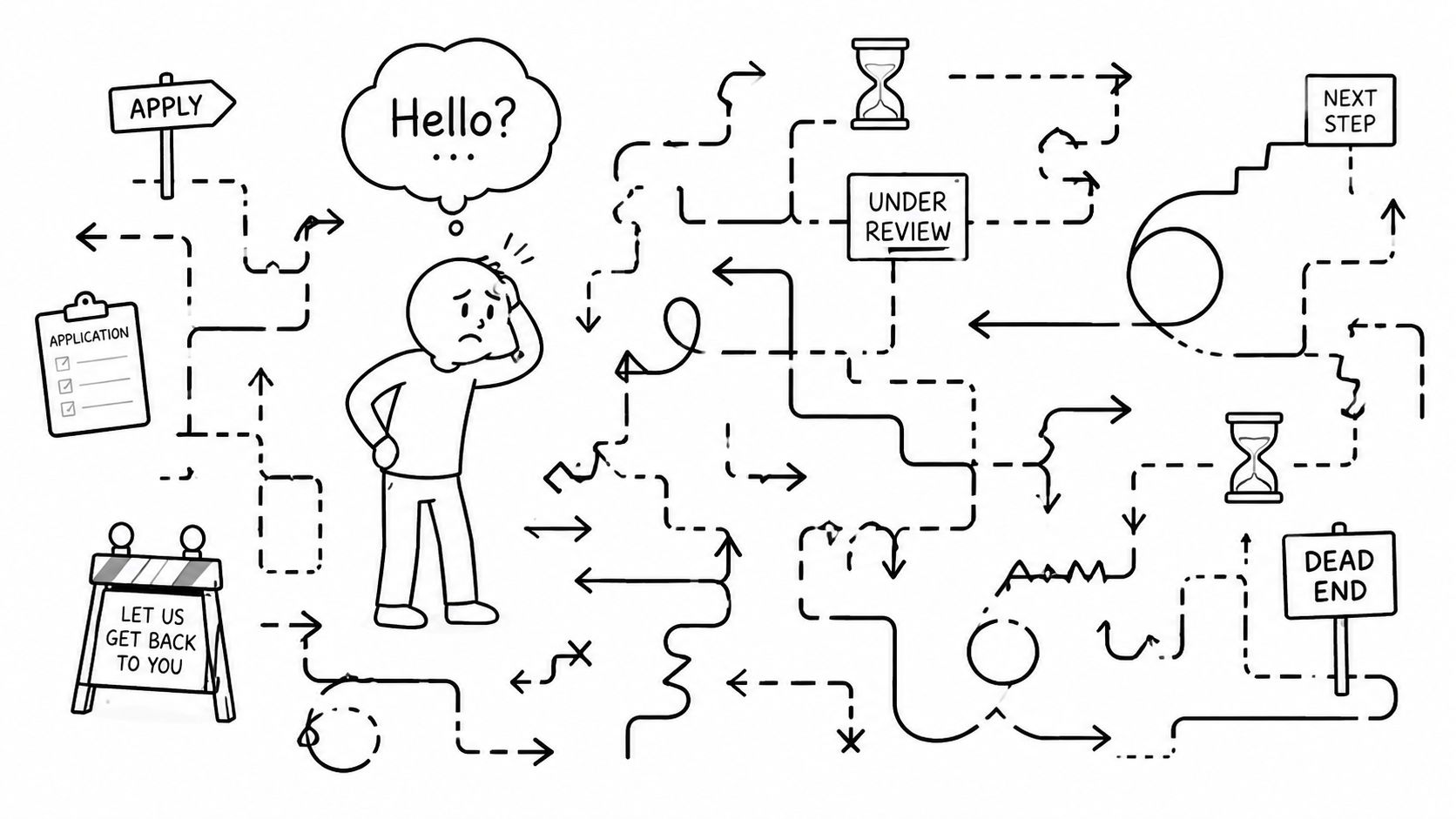
A poor hiring experience changes how the candidate interprets everything else. Slow replies feel like indecision. Repeated interviews with overlapping questions feel like internal misalignment. Silence after a strong round makes the team look disorganized.
That perception matters because people don't separate the interview process from the company itself. They treat the process as a preview of how work gets done.
One survey reported that 52% of job seekers declined an offer because of a poor employer experience during hiring, according to CareerPlug's summary of candidate reasons for turning down job offers. That should make every startup uncomfortable. Many teams still assume candidate experience is a branding concern. It's a close-rate concern.
A 2025 Dover candidate experience study also points to a startup-specific failure mode: when too many stakeholders are involved, the timeline extends by an average of 3.5 days, and candidates in high-growth startup markets often reject because of opportunity cost. You can see this pattern in practice whenever a company keeps adding “just one more conversation” because nobody wants to make the call.
Process friction usually hides in ordinary habits:
A candidate won't say, “Your internal decision system appears poorly designed.” They'll say they're pursuing another opportunity.
That's the same problem in cleaner language.
If you're tightening the top and middle of your funnel, these candidate experience best practices are useful because they force discipline around response times, expectations, and handoffs.
Every startup hiring loop should be auditable in under ten minutes. If it isn't, it's too messy.
Use this checklist:
Recruitment messaging matters too. If you want a practical look at how hiring communication shapes commitment before the offer stage, HubEngage has a solid piece on employee engagement recruitment strategies.
Most startups don't need more data. They need clearer signals.
Replace extra rounds with tighter scorecards. Replace vague debriefs with a decision meeting. Replace “let's sleep on it” with a clear owner who can close the candidate fast. When the process runs well, candidates don't just move faster. They trust you more.
Some offer declines happen because the candidate learned too much. That sounds backwards, but it's common.
The company sells growth, ownership, and impact. The interviews reveal firefighting, vague scope, and a manager who can't explain success in the role. At that point, declining is rational.

Founders still overestimate how persuasive a polished pitch is. Strong candidates don't want a polished pitch. They want a believable one.
That means the job description and interview process should cover both upside and difficulty. If the role has messy systems, say that. If the team is still defining process, say that. If the manager needs someone who can build from scratch with limited support, say that too.
Candidates usually don't decline because a startup is imperfect. They decline when the company hid the imperfections until late.
In tech hiring, work setup is no longer a nice-to-have discussion at the end. It's part of initial qualification. Verified data in the brief shows a strong post-2024 pattern: 90-95% of technology job seekers explicitly reject roles requiring full onsite work. For startups, that means a rigid onsite policy doesn't just make hiring harder. It narrows the pool before you ever start the conversation.
You don't need to agree with that market reality for it to affect your pipeline. Candidates read work policy as a culture signal. Flexibility suggests trust, autonomy, and modern management. Rigidity suggests supervision, commute burden, and a company that may be less adaptive than it claims.
Use these questions before final interviews:
Those questions surface hidden deal-breakers while they're still cheap to address.
If a candidate declines because your role wasn't what they expected, that's not a closing problem. It's a positioning problem.
Startups win more often when they stop trying to sound universally attractive and start sounding specifically right for the people they want.
By the time you're ready to make an offer, the candidate is rarely deciding between you and unemployment. They're deciding between you, another company, and the comfort of staying where they are.
That means closing starts before the offer stage. If you wait until the end to ask what they care about, you're already late.
You don't need candidates to disclose every detail of every process. You do need enough context to understand how to win fairly.
Try questions like these during the process:
These questions do two things. They reveal objections early, and they show the candidate you're trying to make a fit decision rather than force a close.
When a current employer makes a counteroffer, the candidate is reacting to familiarity as much as compensation. They already know the team, the systems, the politics, and the downside. Your startup still carries uncertainty.
You can't eliminate that uncertainty. You can make it easier to evaluate.
Use a closing conversation that sounds like this:
“If your current company tries to keep you, what arguments do you think will be most persuasive? I'm not asking so I can debate them. I'm asking so we can be realistic about what you're weighing.”
That line opens the door without making the interaction adversarial.
For candidates, how to counter a job offer is often framed as a negotiating advantage. For employers, the lesson is simpler. Expect negotiation, expect comparison, and don't mistake that for weak interest.
The strongest defense against a counteroffer is a process where the candidate already feels known, informed, and aligned. That usually comes from a few habits:
Teams lose candidates to counteroffers when the relationship was thin to begin with.
Organizations often respond to offer declines one candidate at a time. That creates random fixes. Raise one salary band here, add one more interview there, rewrite one email template next month. The result is a hiring system that keeps leaking for different reasons.
A better approach is to split fixes into quick wins and systemic changes. Quick wins improve the next few searches. Systemic changes improve every search after that.
If you're resource-constrained, don't try to rebuild everything at once. Start where candidates most often get confused, delayed, or disappointed.
The fastest gains usually come from cleaning up communication, tightening decision ownership, and making compensation discussions less vague. One practical tool in this category is Underdog.io, which can automate confirmation and rejection emails and collect candidate feedback in aggregate, helping teams spot patterns in where the process breaks down.
| Reason for Decline | One-Week Fix (Quick Win) | One-Quarter Fix (Systemic Change) |
|---|---|---|
| Compensation surprise | Create a one-page total compensation summary for every offer | Build compensation bands and an approval process so recruiters and founders stay aligned |
| Equity confusion | Write a plain-English equity explainer and use it in every close | Standardize how managers discuss equity, vesting, and risk across all roles |
| Slow hiring timeline | Cut one interview round and assign a single decision owner | Redesign the interview architecture so only essential interviewers participate |
| Poor communication | Send same-day next-step emails after each round | Set a formal feedback SLA and track compliance across hiring teams |
| Role mismatch | Rewrite the job description with real responsibilities and constraints | Add intake meetings that define success, scope, and manager expectations before opening a role |
| Culture disconnect | Add a candid manager conversation about how the team actually works | Build interviewer training around honest selling, not polished selling |
| Flexibility misalignment | State the work model in the first recruiter conversation | Revisit workplace policy and document which roles truly require onsite presence |
| Counteroffer risk | Ask every finalist what could pull them away late in the process | Add structured pre-close checkpoints before final interviews and before offer approval |
Founders often overcomplicate this part. You don't need a giant hiring ops buildout to improve close rates. You need consistency.
A practical weekly operating rhythm looks like this:
The cleanest hiring systems don't feel elaborate to candidates. They feel clear.
That's the standard to aim for. A candidate should never wonder what happens next, what the job really is, or how the company made its decision.
A declined offer hurts most when you learn nothing from it.
The fix is simple. Ask every candidate who declines for structured feedback. Keep it short. Why are they passing, what could have changed the outcome, and where did concerns first appear? You won't get a perfect response rate, but the patterns become obvious faster than is commonly anticipated.
If you want to make that loop easier to manage, tools that streamline HR processes can help collect and route feedback without turning it into another manual task.
The point isn't to argue with candidates after they say no. It's to stop guessing. Once you treat offer declines like product signals instead of personal setbacks, your hiring process gets sharper, faster, and more honest.
If you're hiring for startup roles and want a cleaner way to connect with vetted tech candidates, Underdog.io is one option to consider. It's a curated marketplace used by startups and high-growth companies to reach candidates exploring new roles with more context and less noise than a typical job board.